Wood · 材料
Pale, straight, stable woods named in catalogs.
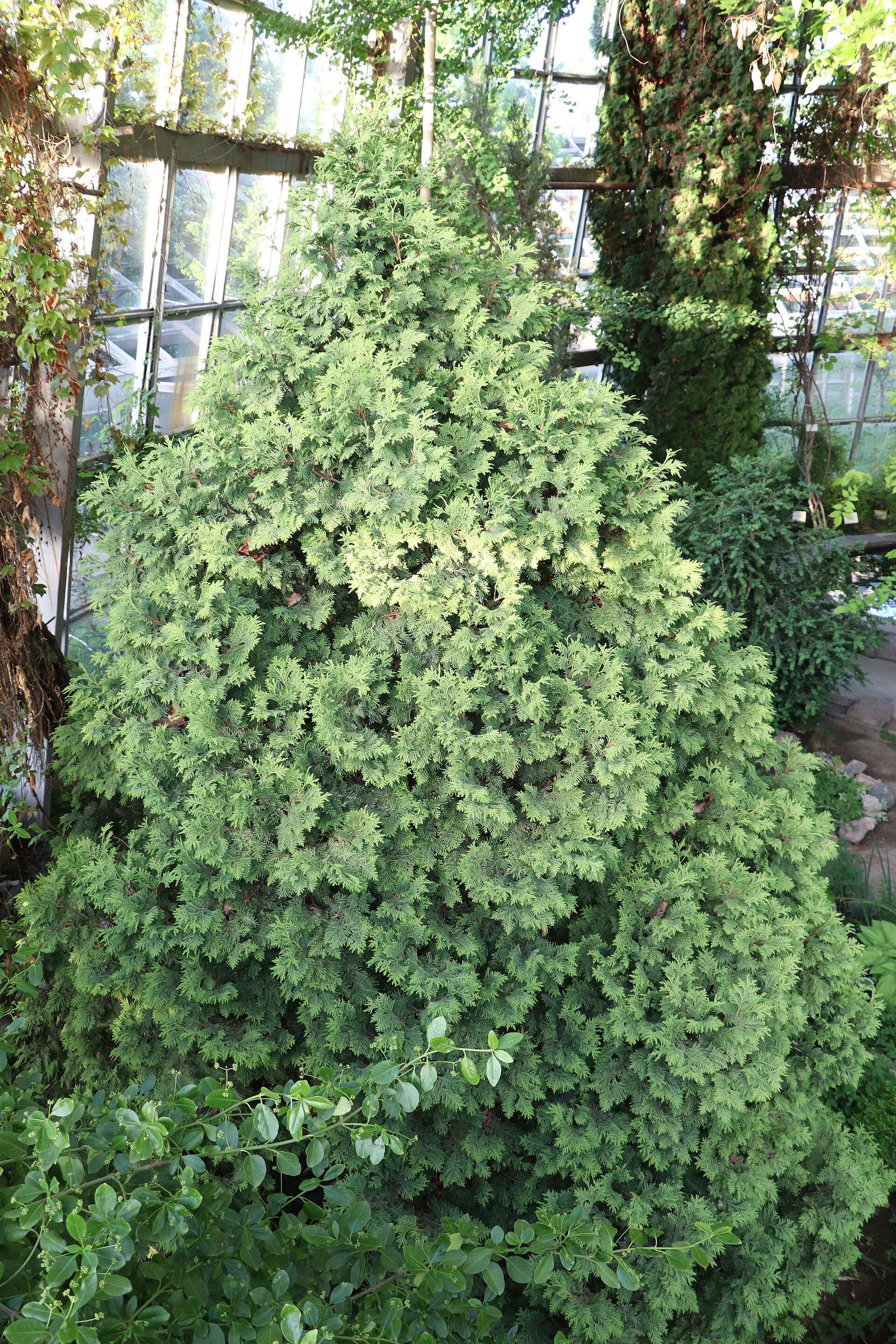
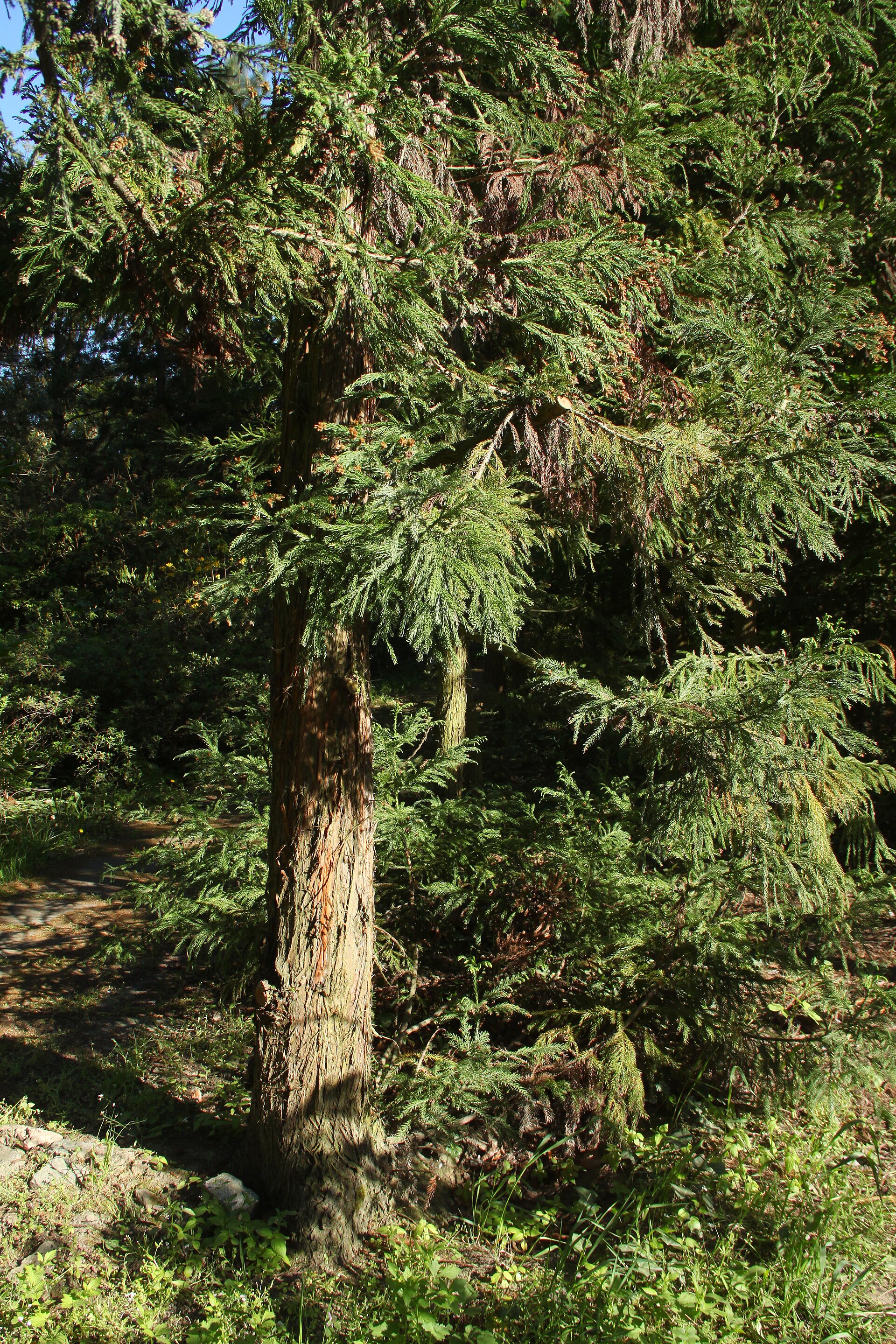
Catalogs converge on hinoki and sugi. Wikipedia, quoting popular woodworking press, calls hinoki the traditional choice. Tanihata lists Japanese cypress, Yoshino cedar, Kiso cypress, and “Rikyu cedar” as current shop woods.
| Wood | Sourced notes | Who says so |
|---|---|---|
| Hinoki Chamaecyparis obtusa 檜 / 桧 | Japanese cypress. Straight grain, pale, aromatic, historically used in shrine and residential joinery. Fine, even texture suits thin strips. | Wikipedia kumiko stub; Takenaka (“high-quality straight-grained Hinoki Cypress is considered preferable”); Tanihata (“Japanese cypress”) |
| Kiso hinoki | Hinoki from the Kiso region, a named forestry brand in Japanese carpentry, not a different species. | Tanihata (“Kiso cypress”) |
| Sugi Cryptomeria japonica 杉 | Japanese cedar. Softer, often more figured, used widely in fittings and cooperage. Yoshino cedar is a named regional timber. | Tanihata (“Yoshino cedar”); general tategu practice |
| “Rikyu cedar” | A Tanihata catalog name. | Tanihata options list only |
| Sawara Chamaecyparis pisifera | Related cypress, used in Japanese woodwork; not specifically evidenced as a kumiko standard in the sources listed. | Not documented as a kumiko shop wood in the sources listed |
| Hiba / asunaro Thujopsis dolabrata | Northern cypress-like conifer, used in architecture; not specifically evidenced as a kumiko standard in the sources listed. | Not documented as a kumiko shop wood in the sources listed |
What the wood is asked to do
Thin members, often a few millimeters in mitsuke, must stay straight, take a grooved joint without crumbling, and read as a quiet field — hence pale sapwood, tight grain, and the preference for quartered or straight-sawn stock. Mixed species in one panel (hinoki with darker cedar) appear in contemporary exhibition work; Sashikan in Mie has documented multi-wood pictorial shōji.
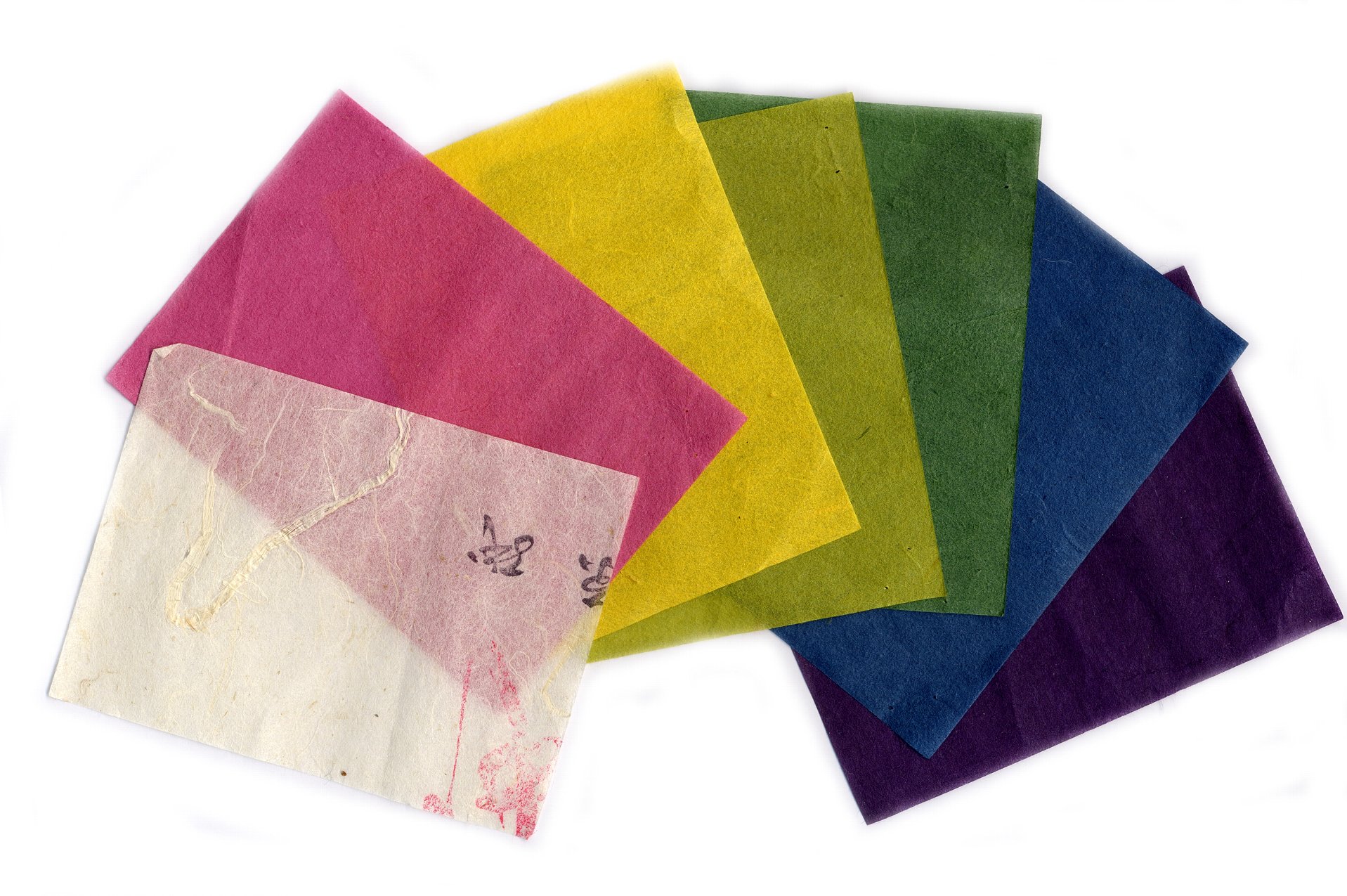
Washi is the usual covering for shōji, not a kumiko wood. Morse already described the papered face and the soft light. Sugihara and Shiroishi papers are regional washi used as that covering.
Makers
Makers named in the cited catalogs and museum notes:
- Tanihata Co., Toyama. Toshio Tanihata trained from 1956; company from 1959. Public about NC saws and a large factory. Pattern and wood names from their public notes.
- Yoshihara Woodworks. English design catalog with jigumi families (hishi, kikkō, masugata, enkei, wagoshi).
- Ōkawa, Fukuoka. JTCO notes Ōkawa as a major tategu producing area; kumiko as a local traditional craft with a claimed ~300-year local history — a regional claim.
- Sashikan Tategu Kōgei, Komono, Mie. Founded 1932; public workshop tours. Visit Mie reports a pictorial shōji of many parts in mixed woods.
- Sakae Tategu Kōgei. Kumiko byōbu in the Takenaka museum’s KIGUMI exhibition (2019 work).